Pierre Boulat
-
Fra Angelico, il Beato
-
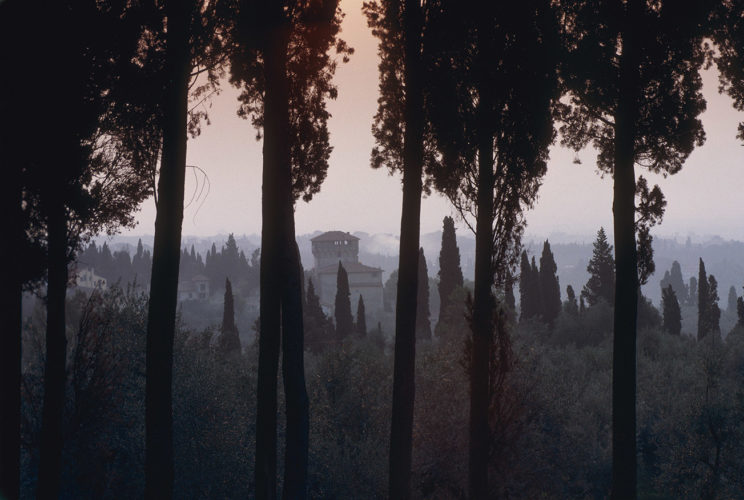
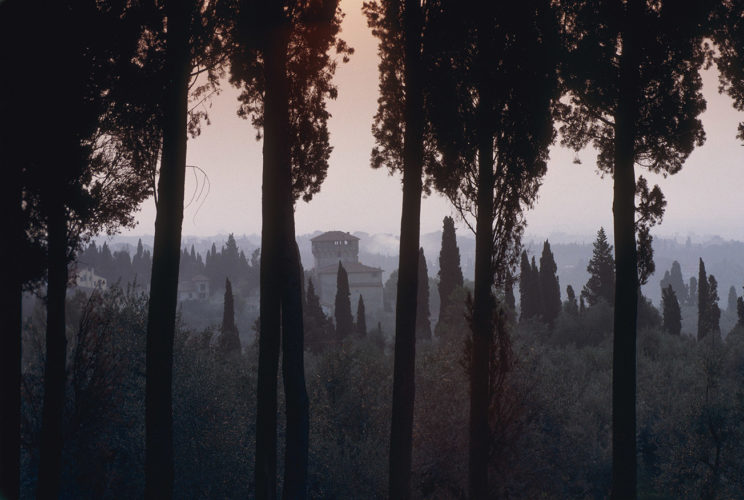
Tuscan landscape around VIcchio, the village where Fra Angelico was born, probably in 1395, but also Dante and Giotto. -
Fra Angelico, il Beato
-
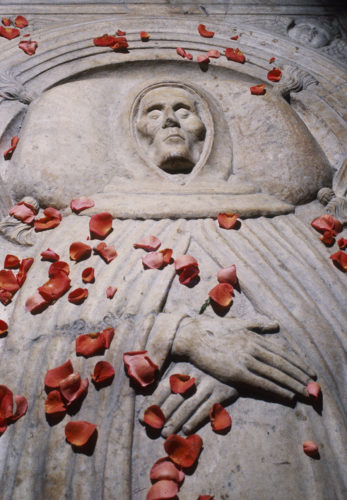
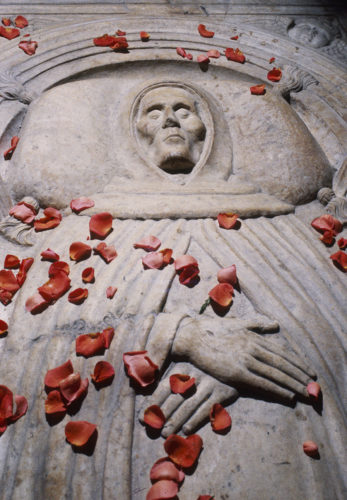
Tomb of Fra Angelico in the church of Santa Maria MInerva in Rome. This tomb had disappeared for 3 centuries, the municipality of Rome having built an alley along the church and buried the tomb under the paving stones of the road. In 1914, for the purpose of easy access, Fra Angelico's tomb was brought up to date. February 18, the day of the commemoration of Saint Fran Angelico, has become the day of the feast of all artists. -
Fra Angelico, il Beato
-
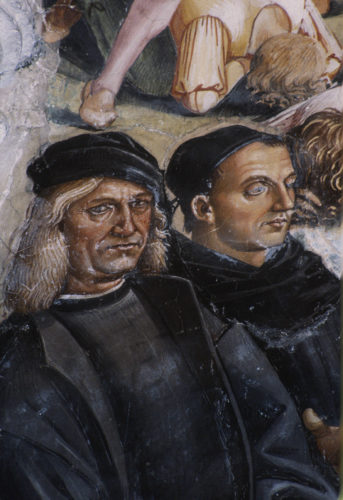
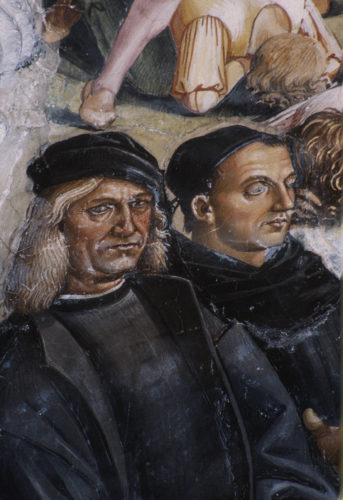
Duomo of Orvietto. In the chapel of St. Brizio, portrait of Fra Angelico by Luca Signorelli. Tribute to his master, 50 years after his death, by Signorelli who painted himself at his side. -
Fra Angelico, il Beato
-
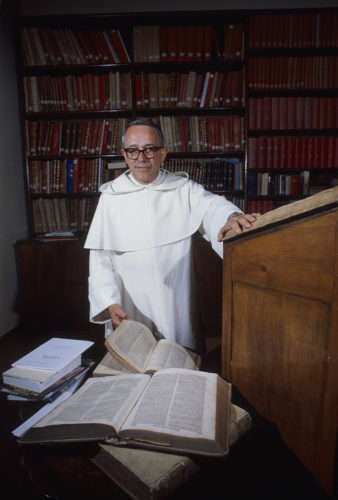
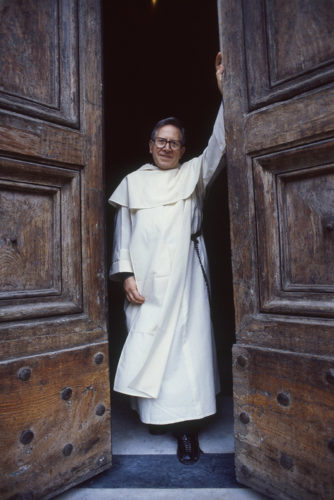
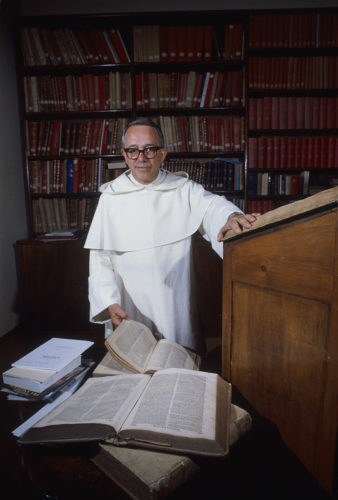
Father Venturino Alce, librarian of the San Sabina convent in Rome and biographer of Fra Angelico. He has dedicated a monumental study to the painter, based on the 1200 works that have been dedicated to him. Together with Father Picari, he is the architect of the beatification of Fra Angelico. -
Fra Angelico, il Beato
-
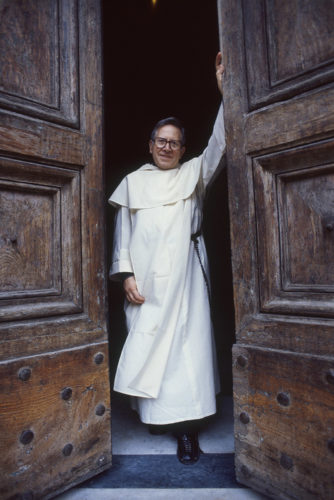
The Dominican Father Tarcicio Picari was for 40 years the prosecutor of the Cause of Beatification of Fra Angelico. He authenticated his remains, gathered the necessary documents and clarified an important documentation accumulated for 500 years on the painter. For the anniversary of the death of Fran Angelico, Pope Pius XII agreed to hold a retrospective of his works in the Vatican. It was John Paul II who, after the disinterestedness of hi -
Fra Angelico, il Beato
-
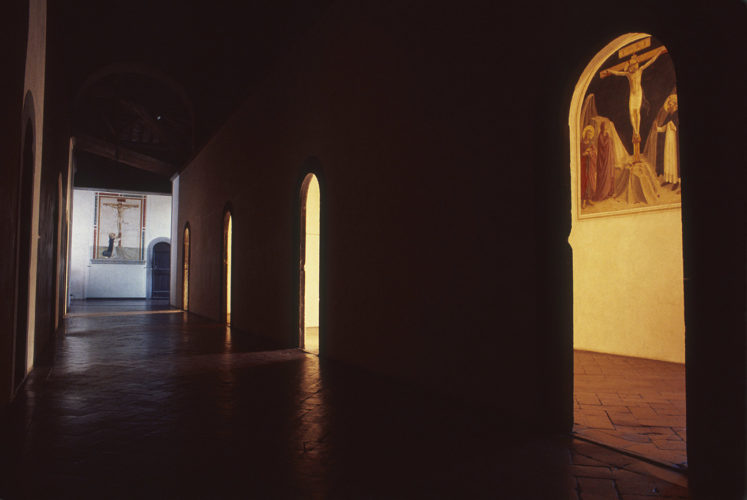
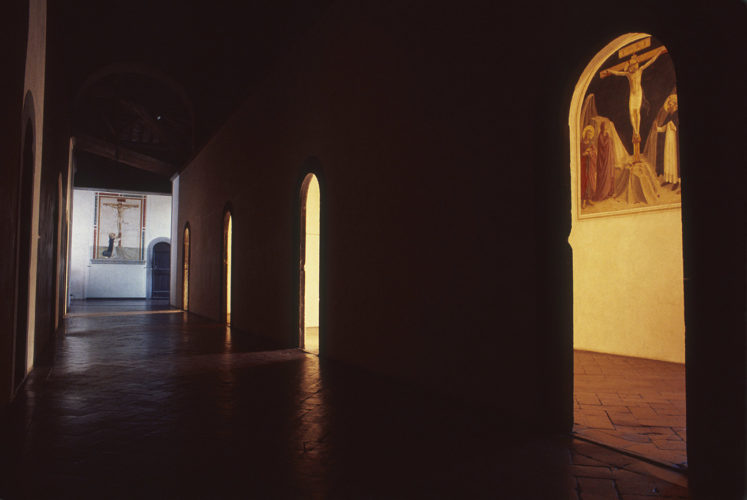
Corridor of the monks' cells in the convent of San Marco. -
Fra Angelico, il Beato
-
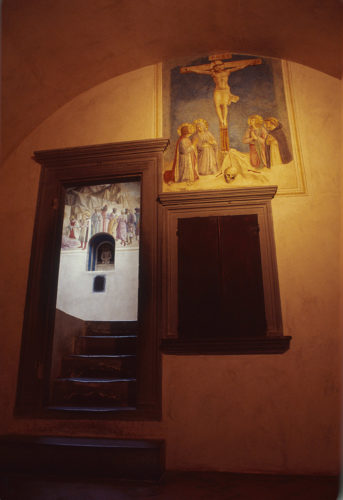
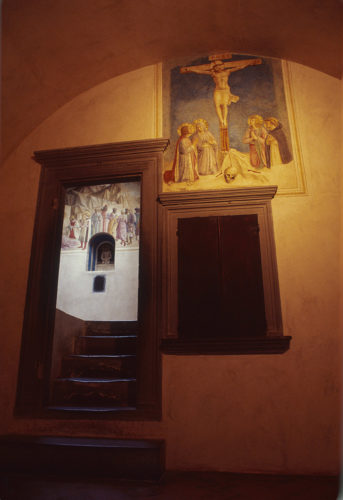
Large cell of a procurator general in the convent of San Marco, decorated with a fresco representing the crucifixion. -
Fra Angelico, il Beato
-
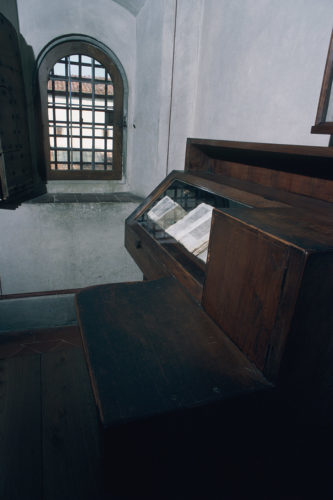
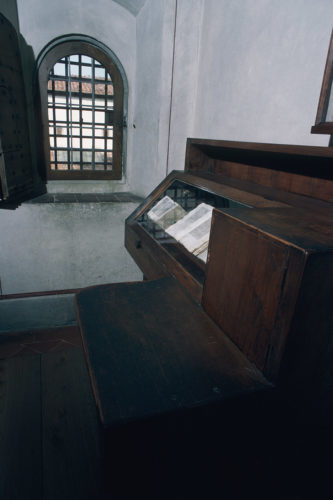
Savonarola’ cell in the convent of San Marco. The famous preacher, enemy of the Medicis, had made Fra Angelico the model for painters. -
Fra Angelico, il Beato
-
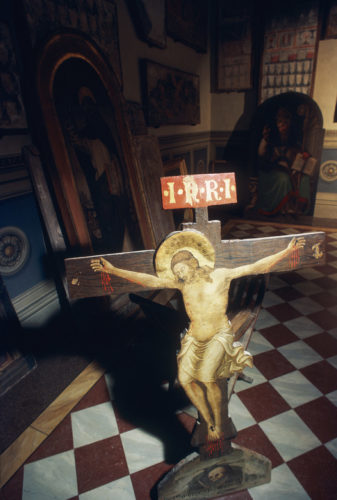
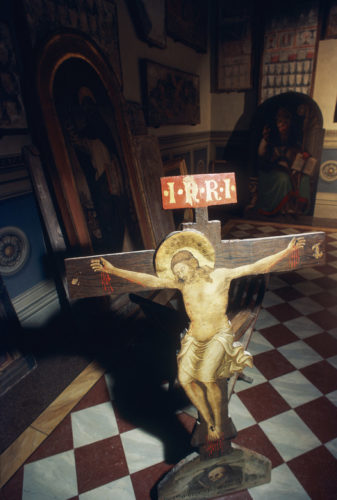
Ceremonial Christ, recently discovered in the attics of the San Marco convent in Florence and authenticated as being by Fra Angelico. -
Fra Angelico, il Beato
-
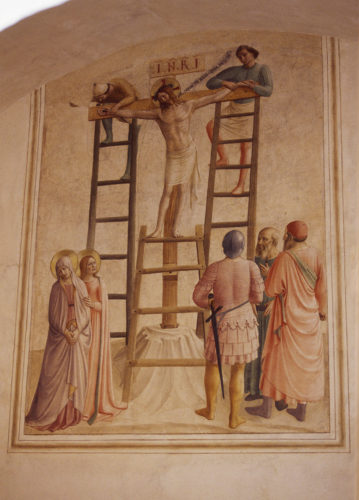
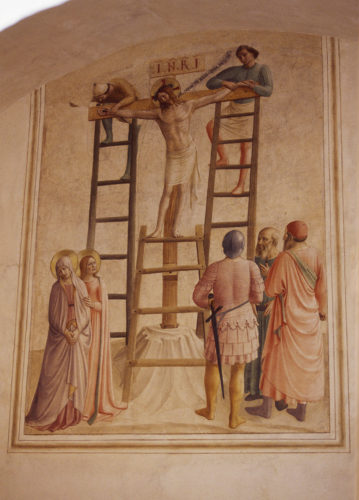
"Crucifixion" fresco painted in a cell of the Convent of San Marco. Fra Angelico settled in 1435 in the convent of San Marco in Florence where he decorated 44 cells. Today the convent is transformed into a museum dedicated to Fra Angelico. -
Fra Angelico, il Beato
-
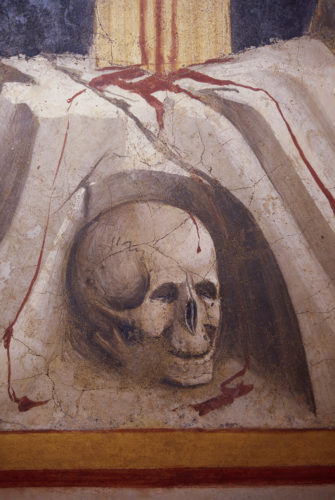
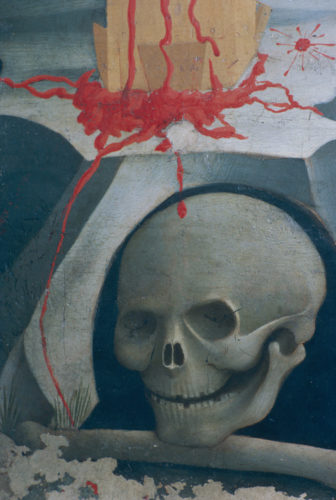
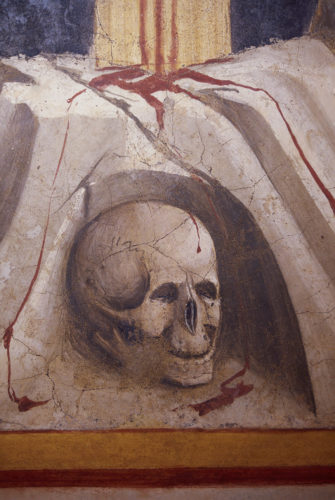
Symbol of Death, final point of the passage on the Earth, this symbolic painting appears on many paintings with Christ. -
Fra Angelico, il Beato
-
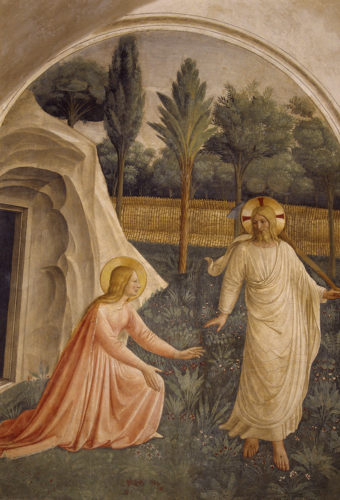
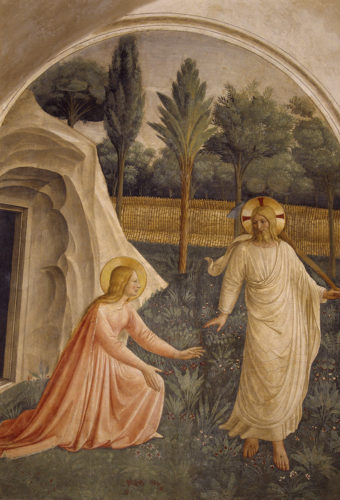
Mary Magdalene and Jesus, fresco in a cell of the convent of San Marco. -
Fra Angelico, il Beato
-
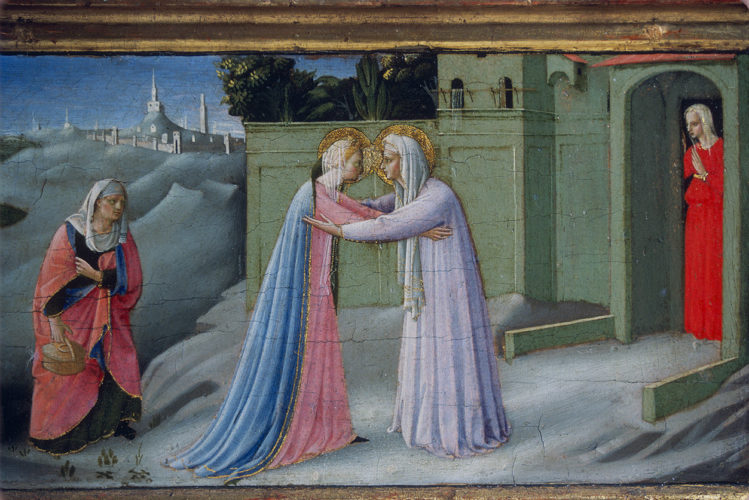
"The Annunciation » was first exhibited in the village of Fiesole in Tuscany. Painted around 1425, it was the first of seven that Fra Angelico painted. It was found in very poor condition in the church of Monte Carlo in Tuscany. -
Fra Angelico, il Beato
-
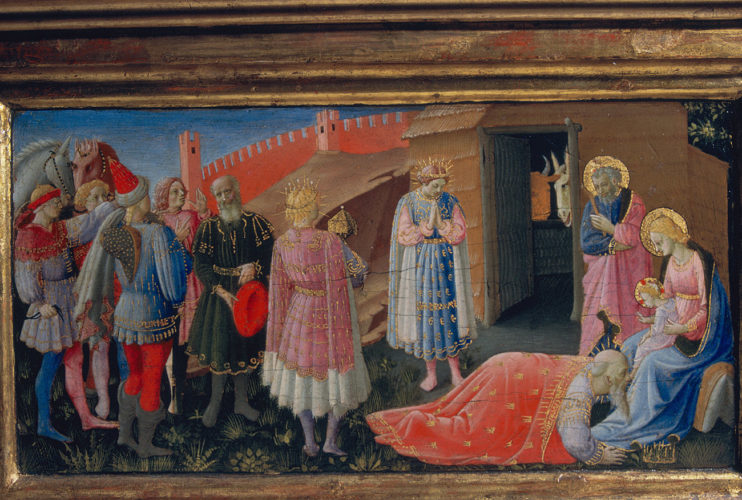
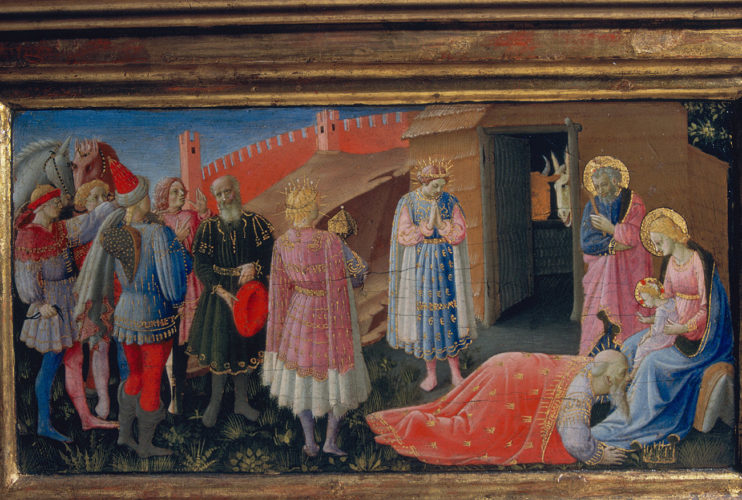
The Adoration of the Magi – Predella of the Annunciation of the Convent of Montecarlo. -
Fra Angelico, il Beato
-
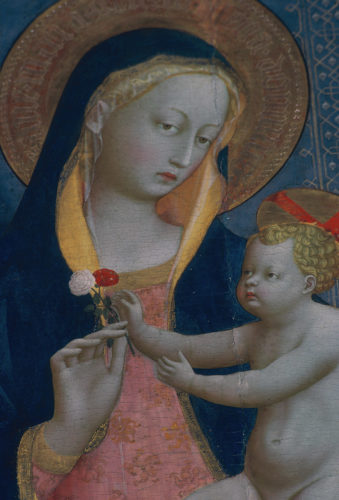
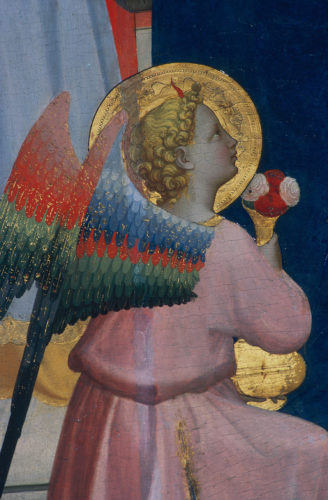
Convent of San Domenico in Fiesole. It is in this convent that Fra Angelico studied theology and found his vocation as a painter. His master was Masaccio who taught him in particular the technique of frescoes. "Presentation of the Child Jesus by the Madonna". 1428 (dimensions 212cm x 237 cm) -
Fra Angelico, il Beato
-
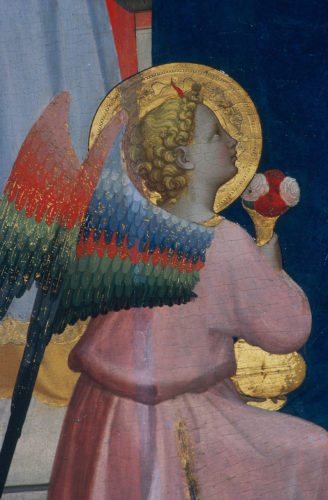
Convent of San Domenico in Fiesole. It is in this convent that Fra Angelico studied theology and found his vocation as a painter. His master was Masaccio who taught him in particular the technique of frescoes. "Presentation of the Child Jesus by the Madonna". The Virgin is surrounded by 4 saints and angels whose multicolored wings show a great technique of avant-garde. 1428 (dimensions 212cm x 237 cm) -
Fra Angelico, il Beato
-
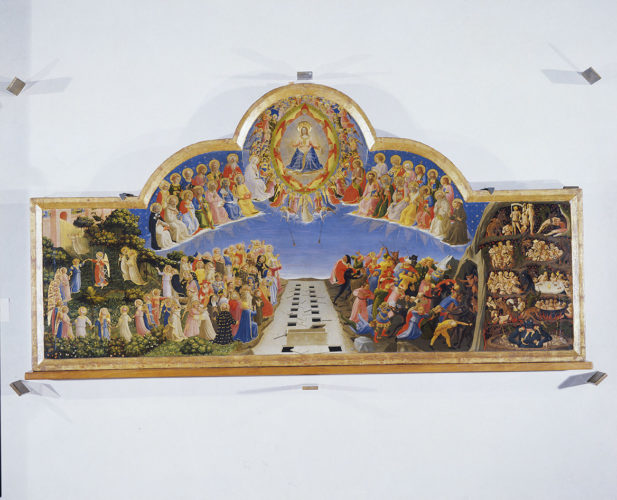
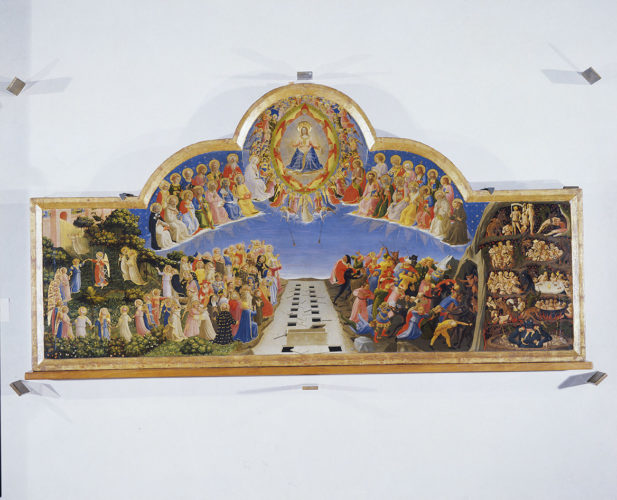
"Universal Judgment" 1432 (size 105 cm x 210 cm) -
Fra Angelico, il Beato
-
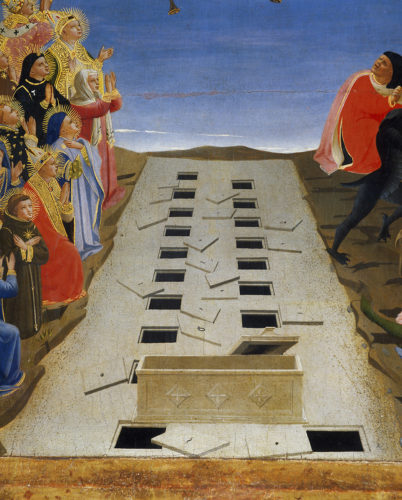
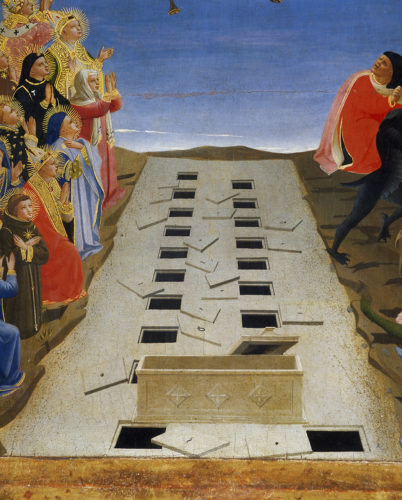
"Universal Judgment" 1432 (size 105 cm x 210 cm) Detail : Prayers of the pious in front of the open tombs. The stone pavement that separates the good and the bad like an impassable border prefigures, in its geometric rigor, the cubist style. It inspired most of the surrealist painters. -
Fra Angelico, il Beato
-
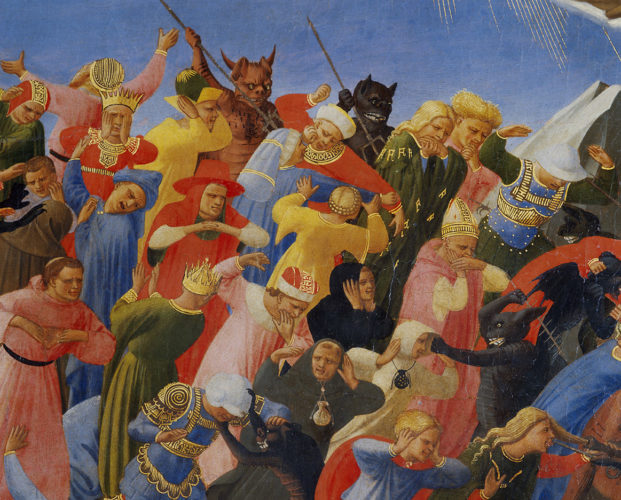
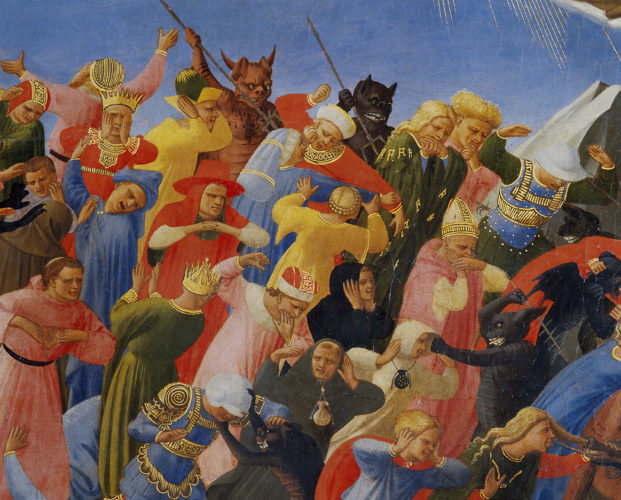
"Universal Judgment" 1432 (size 105 cm x 210 cm) Détail : The devils push the bad ones towards Hell, -
Fra Angelico, il Beato
-
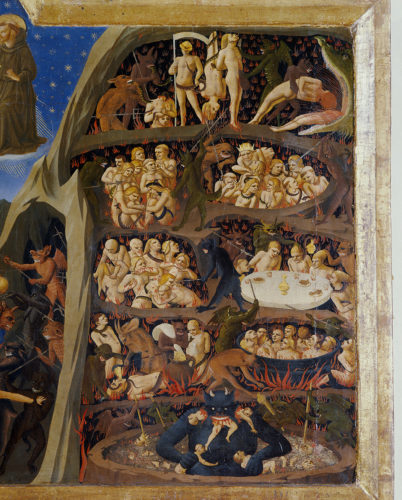
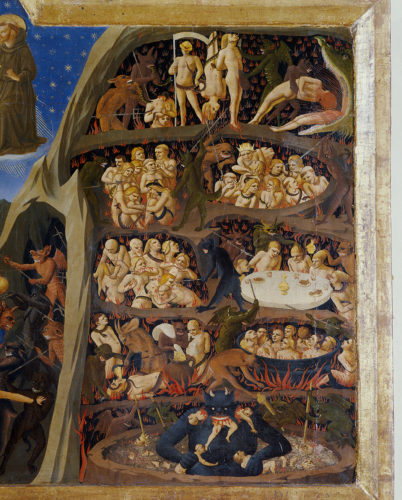
"Universal Judgment" 1432 (size 105 cm x 210 cm) Détail: The punishments of Hell. -
Fra Angelico, il Beato
-
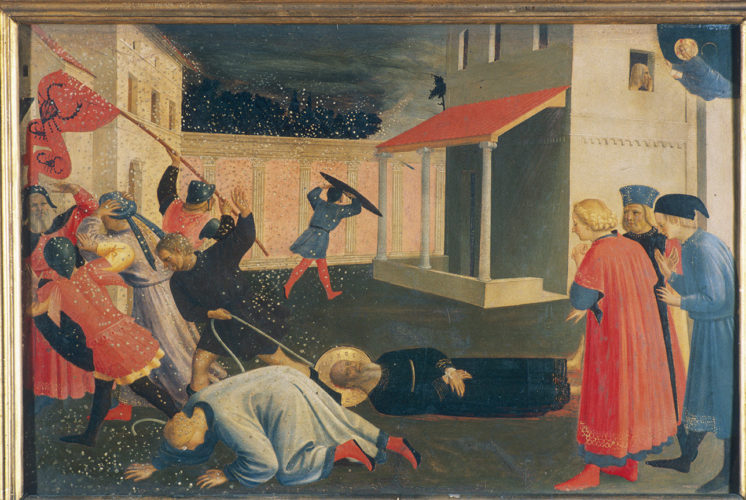
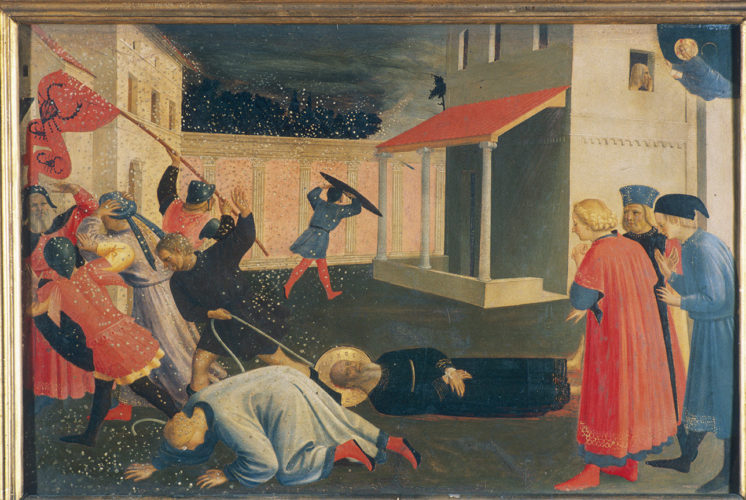
The Martyr of Saint Mark – Predella of the Tabernacle of Linaioli – 1433 -
Fra Angelico, il Beato
-
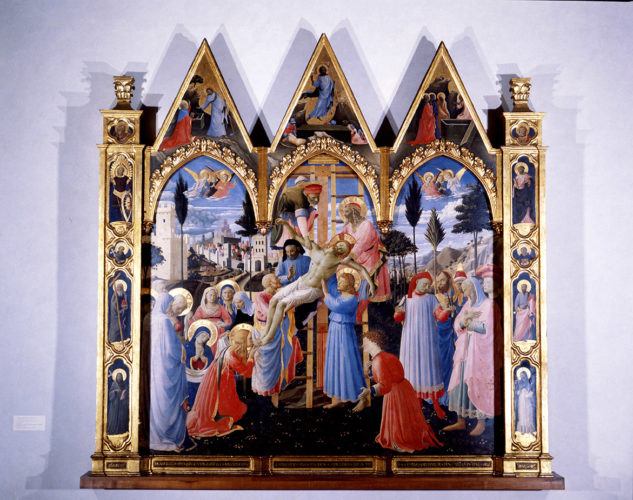
"Holy Trinity" - 1437 (dimensions 175 cm x 185 cm) - Convent of San Marco Saturation of colors, as in a modern painting. -
Fra Angelico, il Beato
-
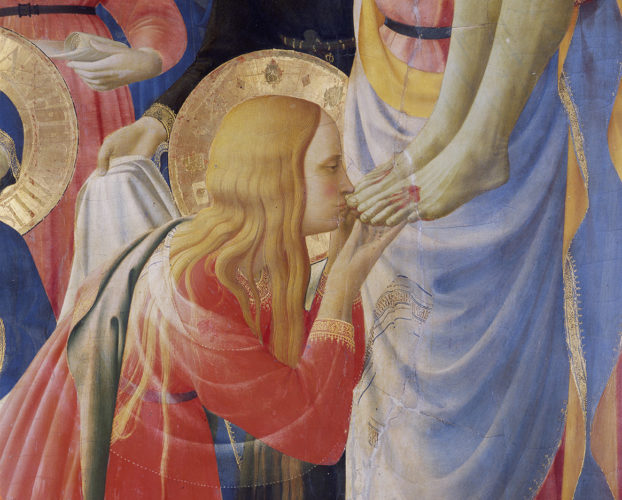
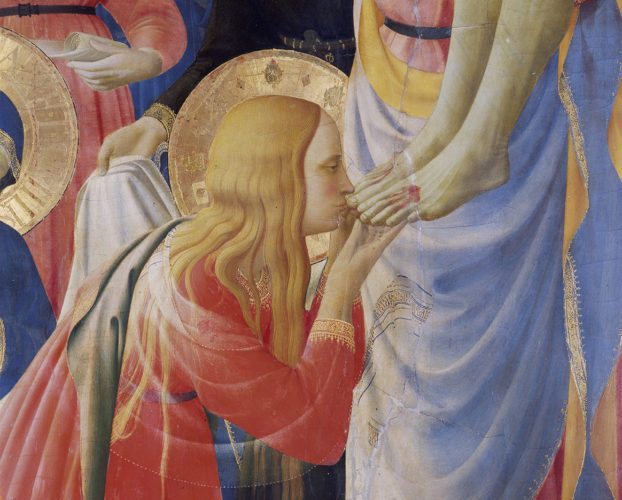
"Holy Trinity" - 1437 (dimensions 175 cm x 185 cm) - Convent of San Marco Detail of Mary Magdalene kissing the bloody feet of Christ at the moment of the descent from the Cross -
Fra Angelico, il Beato
-
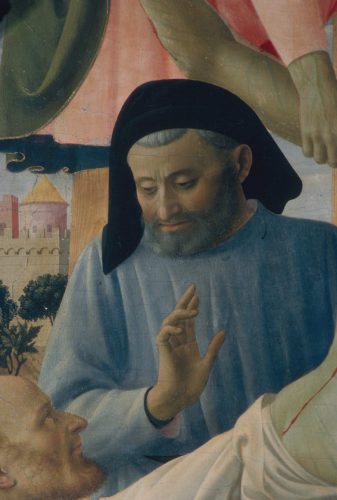
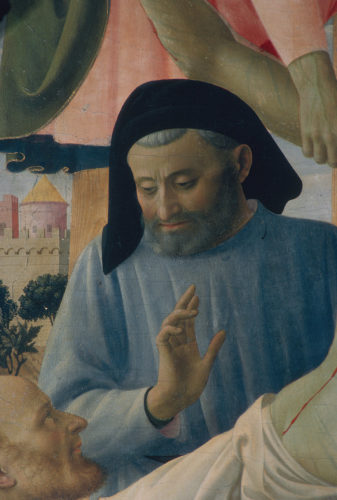
"Holy Trinity" - 1437 (dimensions 175 cm x 185 cm) - Convent of San Marco Detail of a man witnessing the descent from the Cross. Fra Angelico painted here his best friend, the architect of the convent of San Marco in Florence. -
Fra Angelico, il Beato
-
"Holy Trinity" - 1437 (dimensions 175 cm x 185 cm) - Convent of San Marco Detail of i -
Fra Angelico, il Beato
-
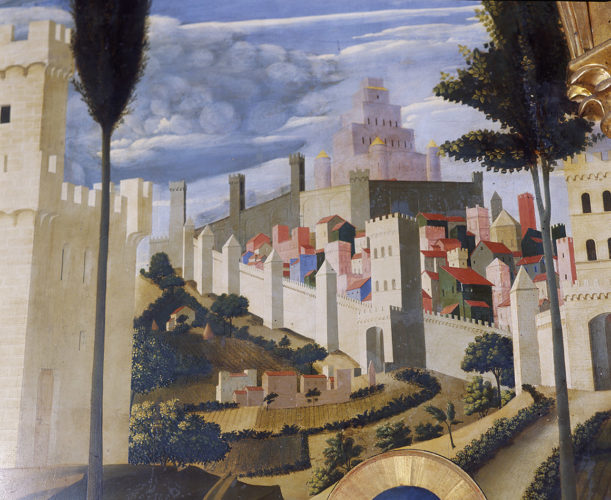
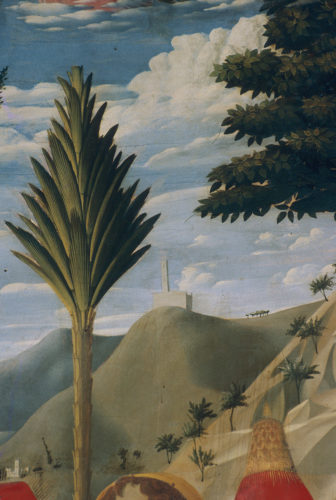
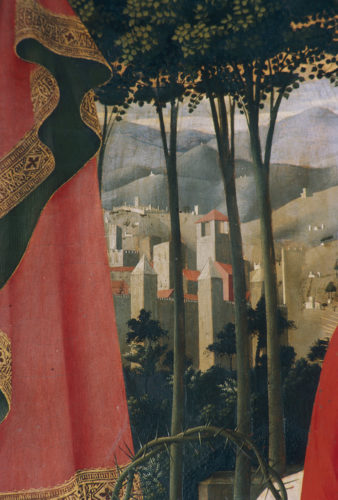
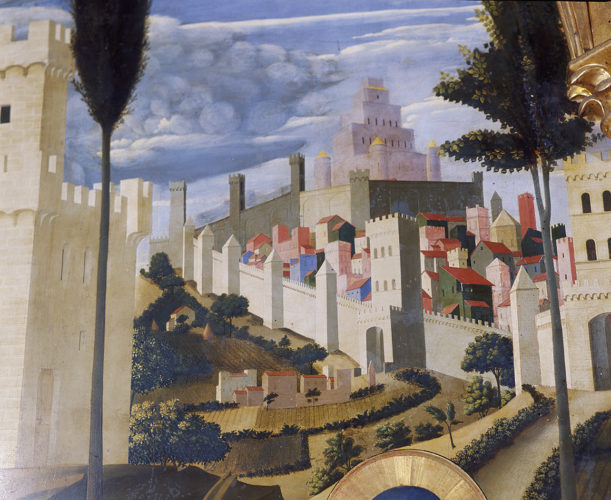
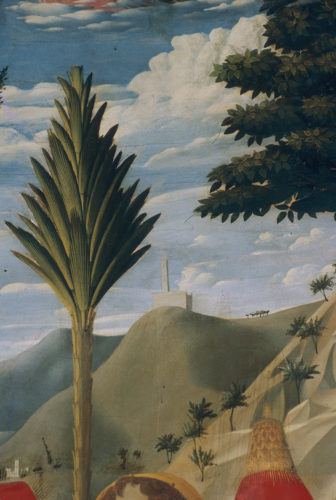
"Holy Trinity" - 1437 (dimensions 175 cm x 185 cm) - Convent of San Marco Detail of imaginary landscapes -
Fra Angelico, il Beato
-
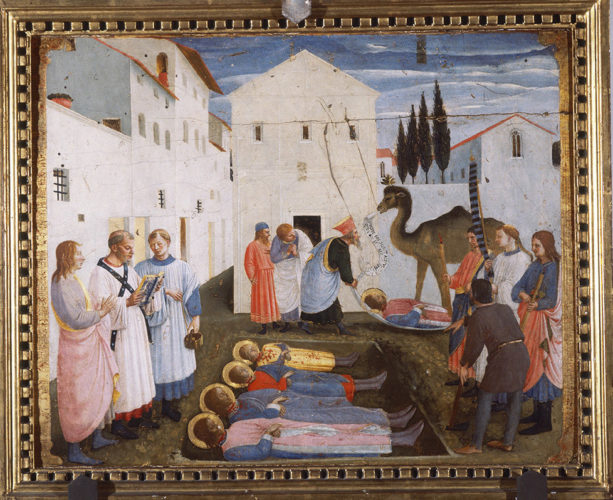
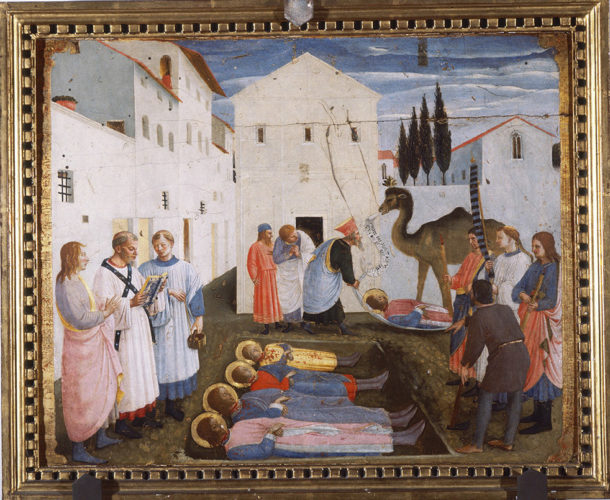
Predella of the High Altar of the Convent of San Marco in Florence. The massacre of the brothers Damiano and Cosma. Episode of the Golden Legend. The setting shows the Convent of San Marco in Florence. -
Fra Angelico, il Beato
-
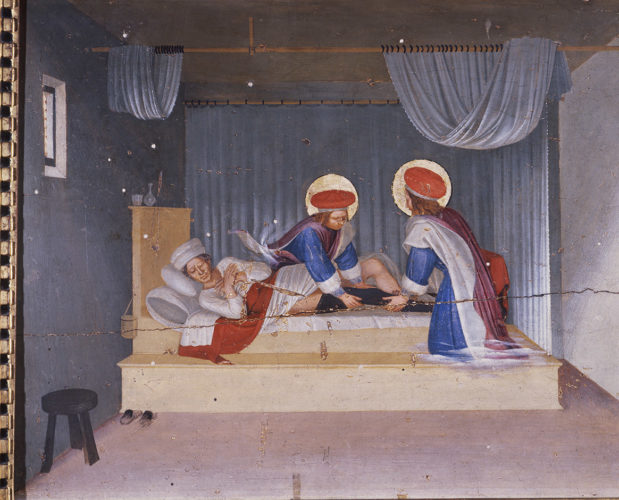
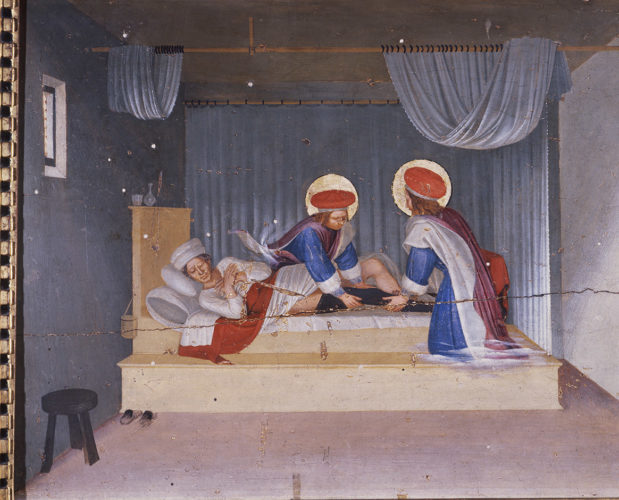
Predella of the High Altar of the Convent of San Marco in Florence. "Story of the healing Gustiniano repentant cut his leg for having beaten his mother and then appealed to the holy healers who tried to sew him the cut leg of a black man. Story taken from a news item. -
Fra Angelico, il Beato
-
Predella of the High Altar of the Convent of San Marco in Florence. The Virgin and the child. -
Fra Angelico, il Beato
-
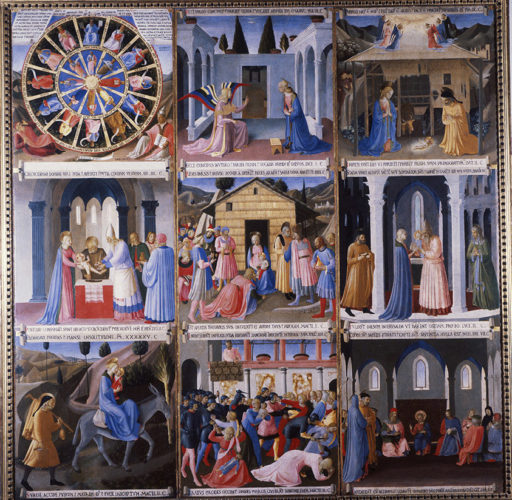
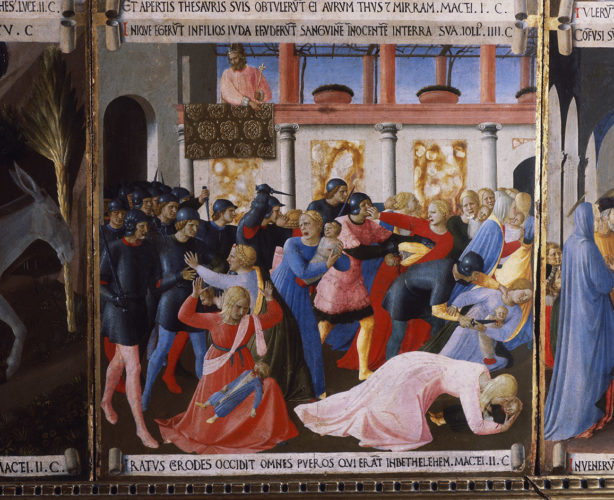
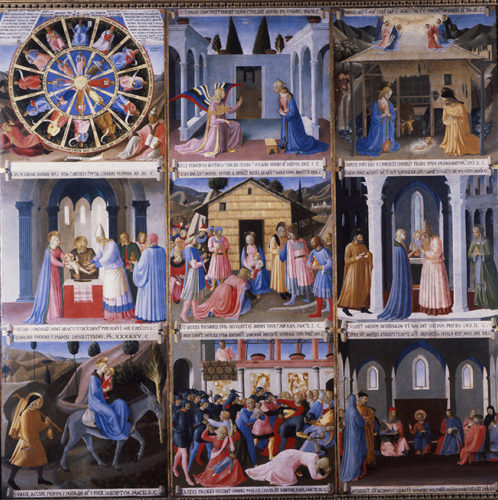
Paintings and decoration of the door of a cabinet of relics and sacred objects, from the "Armadio Degli Argenti" – 1450 30 small paintings of "8.5 cm x 37 cm adorned this cabinet relating episodes of the life of Christ. The "mystical wheel", an allegory consisting of a double wheel, in which the prophets and evangelists were aligned. On the left of the wheel the prophet Ezekiel, who had the vision of the apocalyptic symbols; on the right Saint Gregory the Great who commented on the visions in a homily. -
Fra Angelico, il Beato
-
Fra Angelico, il Beato
-
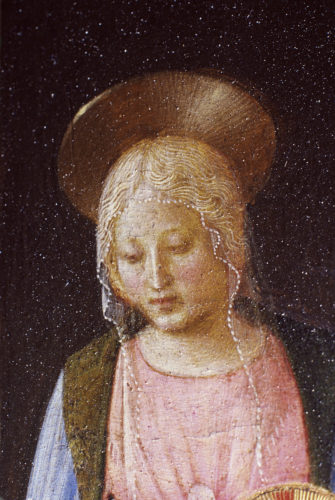
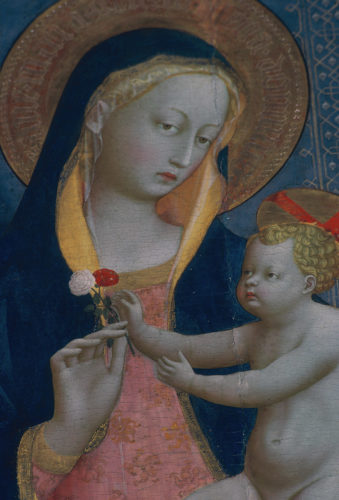
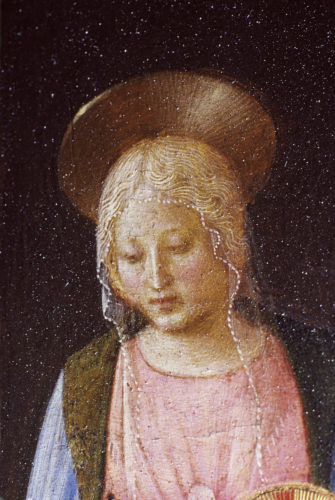
Paintings and decoration of the door of a cabinet of relics and sacred objects, from the "Armadio Degli Argenti" – 1450 Detail of the face of the Virgin, in the adoration of the Magi - Door of the relics cabinet. -
Fra Angelico, il Beato
-
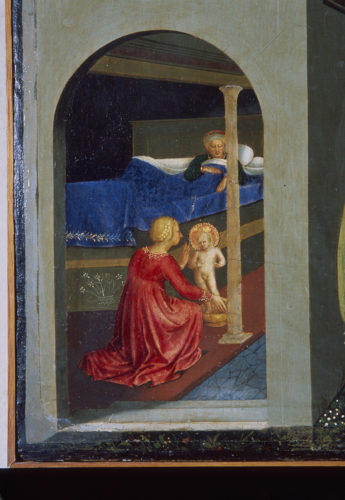
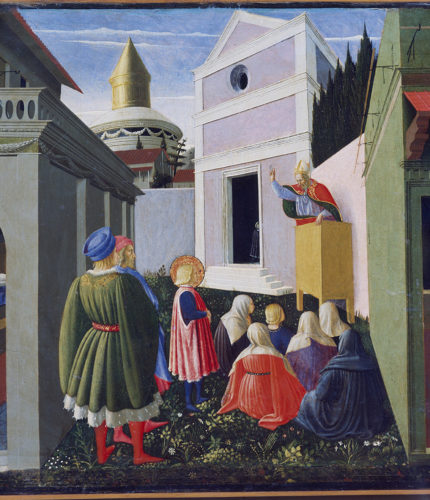
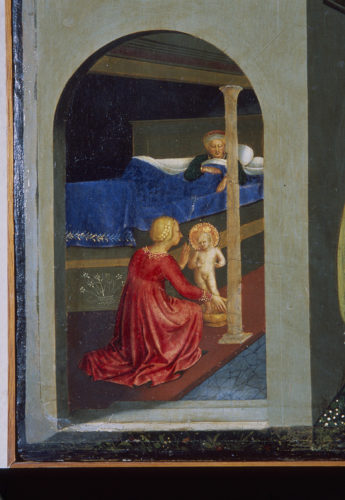
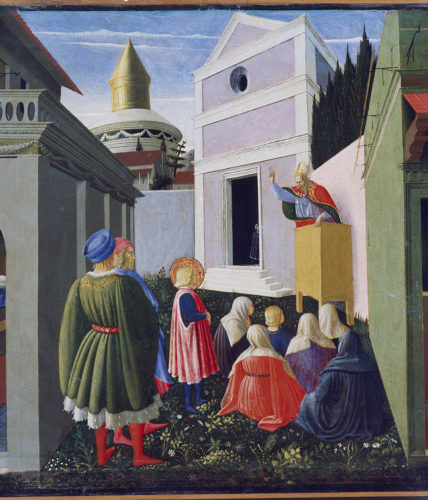
Predella of the Triptych of Pérouges relating the life of Saint Nicholas. Here on a predella of 34 x 60 cm, like a comic strip, the relationship of several episodes of his life: the birth, his preaching and his miracles on sick children. Vatican Picture Gallery -
Fra Angelico, il Beato
-
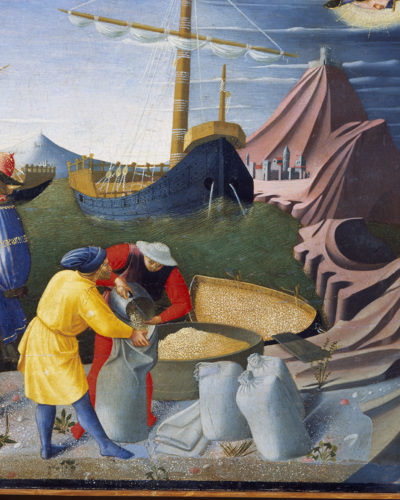
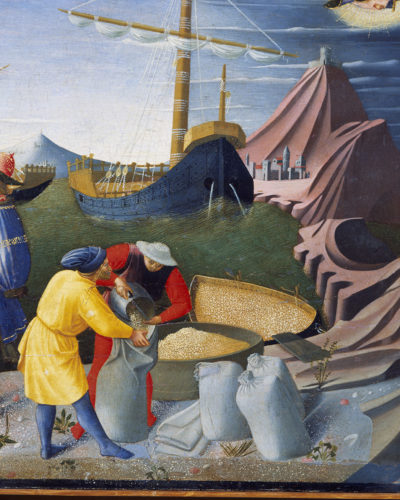
Predella of the triptych of Pérouges - On this second predella, same size as the previous one, the journey of Saint Nicolas. Continuous narration – Detail howing the account of a miracle performed by the Saint: the cargo of grain saved from the storm. -
Fra Angelico, il Beato
-
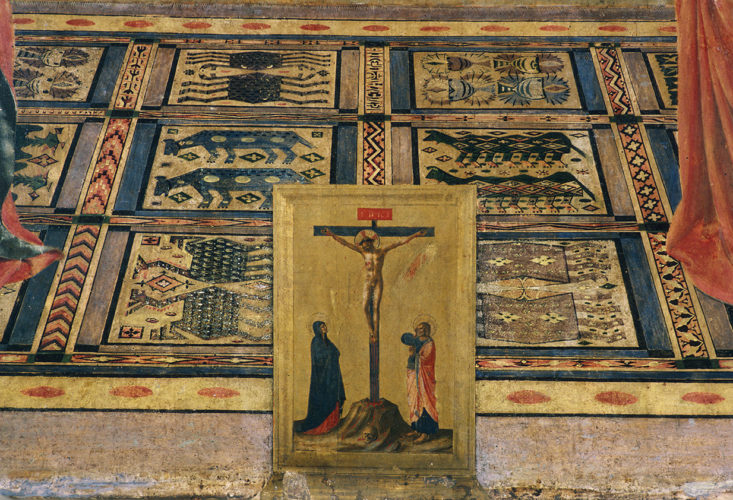
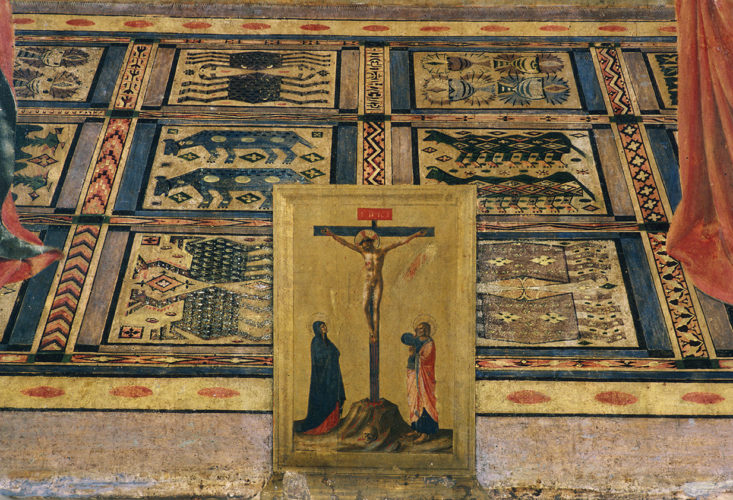
Crucifixion - Gold plate on an oriental carpet. Detail in trompe l'oeil. First attempts at relief painting. -
Fra Angelico, il Beato
-
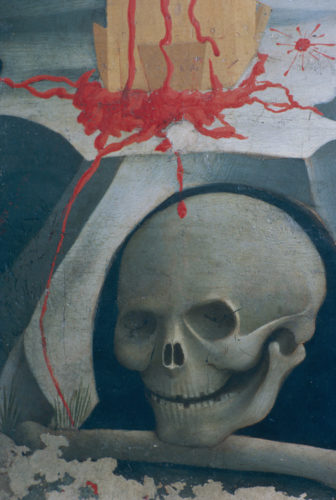
Symbol of Death, final point of the passage on the Earth, this symbolic painting appears on many paintings with Christ. -
Fra Angelico, il Beato
-
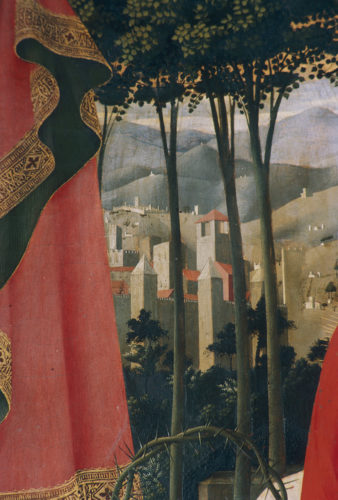
Detail of imaginary landscapes.
Fra Angelico
Italian painter of the early Italian Renaissance, Guido di Pietro, more commonly known as Fra Angelico, was one of the greatest artists of the West. A dazzling innovator, he invented frescoes on plaster, renewed perspective techniques and inspired modern painting. He also innovated a genre : The predella which are small paintings generally surrounding the large tabernacles. Fra Angelico used it to relate, by juxtaposing successive scenes, or independent scenes, mystical legends, miscellaneous facts and current events of the time taking the value of legends.
But, although one of the greatest painters of all time, Fra Angelico was first and foremost a Dominican friar. He did not perform miracles and was not a martyr for the faith, but in the eyes of the Vatican he represents « a model of life, where art is associated with Christian perfection ». In 1985, Pope John Paul II decided to follow the popular feeling and declared him « Blessed ». He now is venerated by all Dominicans and the Patron Saint of all artists.
Pierre Boulat
-
Fra Angelico, le Bienheureux
-
Paysage toscan autour de VIcchio, le village où naquirent Fra Angelico en 1386, mais aussi Dante et Giotto. -
Fra Angelico, le Bienheureux
-
Tombe de Fra Angelico dans l’église Santa Maria MInerva de Rome. Cette tombe avait disparu pendant 3 siècles, la municipalité de Rome ayant construit une ruelle le long de l’église et enfoui la tombe sous les pavés de la chaussée. En 1914, pour des besoins de facilité d’accès, la tombe de Fra Angelico fut remise à jour. Le 18 février, jour de la commémoration du Saint Fran Angelico, est devenu le jour de la fête de tous les artistes. -
Fra Angelico, le Bienheureux
-
Duomo de Orvietto. Dans la chapelle St Brizio, portait de Fra Angelico par Luca Signorelli. Hommage rendu à son maitre, 50 après sa mort par Signorelli qui s’est peint à ses côtés. -
Fra Angelico, le Bienheureux
-
Le père Venturino Alce,bibliothécaire du couvent San Sabina de Rome et biographe de Fra Angelico. Il a consacré au peintre une monumentale étude, se basant sur les 1200 ouvrages qui lui ont été consacrés. IL est avec le Père Picari l’architecte du la cause de béatification de Fran Angelico. -
Fra Angelico, le Bienheureux
-
Le père dominicain Tarcicio Picari fut pendant 40 ans le prosecuteur de la cause de Béatification de Fra Angelico. Il authentifia ses restes, rassembla les documents nécessaires et éclaircit une importante documentation accumulée depuis 500 ans sur le peintre. Pour l’anniversaire de la mort de Fran Angelico, le Pape Pie XII accepta de faire au Vatican une rétrospective de ses œuvres. Ce fut Jean Paul II qui, après désintéressement de ses prédécesseurs, approuva, par lettre apostolique, la « super cause » de béatification. -
Fra Angelico, le Bienheureux
-
Corridor des cellules des moines au couvent de San Marco à Florence. -
Fra Angelico, le Bienheureux
-
Grande cellule d’un procurateur général au couvent de San Marco, décorée d’une fresque représentant la crucifixion. -
Fra Angelico, le Bienheureux
-
Cellule de Savonarole au couvent de San Marco. Le célèbre prédicateur, ennemi des Medicis, avait fait de Fra Angelico le modèle des peintres. -
Fra Angelico, le Bienheureux
-
Christ de cérémonie, découvert récemment dans les greniers du couvent San Marco de Florence et authentifié comme étant de Fra Angelico. -
Fra Angelico, le Bienheureux
-
« Crucifixion » fresque peinte dans une cellule du Couvent de San Marco. Fra Angelico s’installa en 1435 au couvent de San Marco de Florence où il décora 44 cellules. Le couvent est aujourd’hui transformé en Musée dédié à Fra Angelico. -
Fra Angelico, le Bienheureux
-
Symbole de la Mort, point final du passage sur la Terre. Cette peinture symbolique figure sur beaucoup de tableaux avec le Christ. -
Fra Angelico, le Bienheureux
-
Marie-Madeleine et Jésus, fresque d’une cellule du couvent de San Marco. -
Fra Angelico, le Bienheureux
-
« Annonciation » exposée pour la première fois dans le village de Fiesole en Toscane ; Peinte aux environs de 1425 cette Annonciaiton fut la première des 7 que Fra Angelico peignit. Elle fut retrouvée en très mauvais état dans l’Eglise de Monte Carlo en Toscane. -
Fra Angelico, le Bienheureux
-
L’adoration des mages – Prédelle de l’Annonciaton du couvent de Montecarlo. -
Fra Angelico, le Bienheureux
-
Couvent de San Domenico à Fiesole. C’est dans ce couvent que Fra Angelico fit ses études de théologie et trouva sa vocation de peintre. Il eut pour maitre Masaccio qui lui enseigna en particulier la technique des fresques. « Présentation de l’enfant Jésus par la Madone ». -
Fra Angelico, le Bienheureux
-
Couvent de San Domenico à Fiesole. « Présentation de l’enfant Jésus par la Madone ». La Vierge est entourée de 4 saints et anges dont les ailes multicolores font preuve d’une grand technique d’avant garde. 1428 (dimensions 212cm x 237 cm) -
Fra Angelico, le Bienheureux
-
« Jugement Dernier » 1432 (dimensions 105 cm x 210 cm) -
Fra Angelico, le Bienheureux
-
« Jugement Dernier » 1432 (dimensions 105 cm x 210 cm) Détail : Prières des pieux devant les tombeaux ouverts. La chaussée de pierre qui sépare comme une frontière infranchissable les bons et les mauvais préfigure, dans sa rigueur géométrique, le style cubiste. Elle a inspiré la plupart des peintres surréalistes. -
Fra Angelico, le Bienheureux
-
« Jugement Dernier » 1432 (dimensions 105 cm x 210 cm) Détail : Les diables poussent les mauvais vers l’Enfer, les tortures. -
Fra Angelico, le Bienheureux
-
« Jugement Dernier » 1432 (dimensions 105 cm x 210 cm) Détail: Les châtiments de l’Enfer. -
Fra Angelico, le Bienheureux
-

Fra Angelico, le Bienheureux
-
« Sainte Trinité » - 1437 (dimensons 175 cm x 185 cm) – Couvent de San Marco Saturation des couleurs, comme dans un tableau moderne. -
Fra Angelico, le Bienheureux
-
« Sainte Trinité » - 1437 (dimensons 175 cm x 185 cm) Détail : Marie Madeleine embrassant les pieds ensanglantés du Christ au moment de la descente de Croix. -
Fra Angelico, le Bienheureux
-
« Sainte Trinité » - 1437 (dimensons 175 cm x 185 cm) Détail d’un homme témoin de la descente de Croix . Fra Angelico peint ici son meilleur ami, l’architecte du couvent de San Marco de Florence. -
Fra Angelico, le Bienheureux
-
Fra Angelico, le Bienheureux
-
« Sainte Trinité » - 1437 (dimensons 175 cm x 185 cm) Détail des paysages imaginaires. -
Fra Angelico, le Bienheureux
-
Predelles du Grand autel du Couvent San Marco de Florence. Le massacre des frères Damiano et Cosma. Épisode de la Légende Dorée. Le décor est celui du couvent San Marco de Florence. Les prédelles sont de petites peintures entourant généralement les grands tabernacles. Le genre fur innové par Fra Angelico qui l’employa pour relater, par la juxtaposition soit de pette scènes successives, soit de scènes indépendantes, des légendes mystiques, des faits divers et d’actualité de l’époque prenant valeur de légendes. La plupart des prédelles de Fra Angelico sont actuellement exposées à la National Gallery de Londres pour démontrer le poles opposés dans les couleurs sans ombres, par rapport aux peintures hollandaises du XVIII ° siècle au réalisme profond, et la reprise plus tard dans le surréalisme de Salvador Dali. Les prédelles donnent une narration continue de non réalisme. -
Fra Angelico, le Bienheureux
-
Predelles du Grand autel du Couvent San Marco de Florence. « Histoire de la guérison Gustiniano repentant se coupant la jambe pour avoir battu sa mère, puis fit appel aux saints guérisseurs qui tentèrent de lui coudre la jambe coupée d’un nègre. Histoire tirée d’un fait divers. -
Fra Angelico, le Bienheureux
-
Peinture du Grand autel du Couvent San Marco – La Vierge à l’enfant. -
Fra Angelico, le Bienheureux
-
Peintures et décoration de la porte d’une armoire aux reliques et objets sacrés, émargeant « Armadio Degli Argenti » - 1450 41 petites peintures de « 8,5 cm x 37 cm ornaient cette armoire relatant des épisodes de la vie du Christ. « La roue mystique », allégorie constituée d’une double roue, dans lesquelles s’alignaient les prophètes et les évangélistes. A gauche de la roue le prophète Ezechiel, qui eut la vision des symboles apocalyptiques ; à droite Saint Grégoire le Grand qui commenta les visions dans une homélie. -
Fra Angelico, le Bienheureux
-
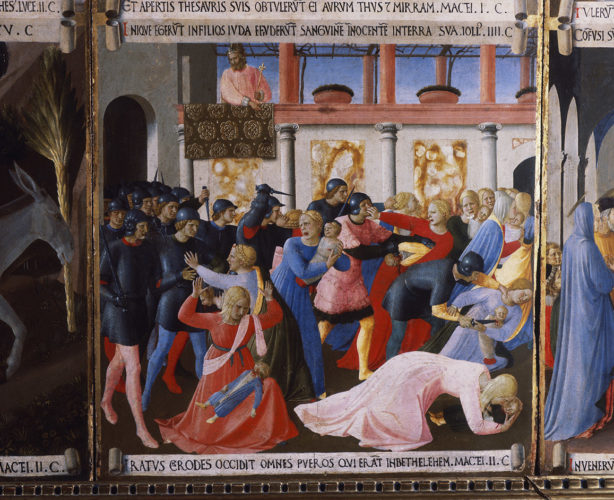
Peintures et décoration de la porte d’une armoire aux reliques et objets sacrés, émargeant « Armadio Degli Argenti » - 1450 Détail : Le massacre des innocents. -
Fra Angelico, le Bienheureux
-
Peintures et décoration de la porte d’une armoire aux reliques et objets sacrés, émargeant « Armadio Degli Argenti » - 1450 - Détail du visage de la Vierge, dans l’adoration des Mages. -
Fra Angelico, le Bienheureux
-
Prédelle du Triptyque de Pérouges relatant la vie de Saint Nicholas. Ici sur un predelle de 34 x 60 cm, comme une bande dessinée, la relation de plusieurs épisodes de sa vie : la naissance, ses prêches et ses miracles sur les enfants malades. Pinacothèque du Vatican. -
Fra Angelico, le Bienheureux
-
Prédelle du triptyque de Pérouges – Sur ce deuxième prédelle de même dimension que le précédent, le voyage de Saint Nicolas. Narration continue – Détail du compte rendu d’un miracle rendu par la Saint : la cargaison de grain sauvée de la tempête. -
Fra Angelico, le Bienheureux
-
Crucifixion – Plaque d’or posée sur un tapis oriental. Détail en trompe l’œil. Premiers essais de relief en peinture. -
Fra Angelico, le Bienheureux
-
Symbole de la Mort, point final du passage sur la Terre. Cette peinture symbolique figure sur beaucoup de tableaux avec le Christ. -
Fra Angelico, le Bienheureux
-
Détail des paysages imaginaires
Fra Angelico
Peintre italien du début de la Renaissance italienne, Guido di Pietro, plus communément appelé Fra Angelico, fut l’un des plus grands artistes de l’Occident dont il influença toute la peinture.. Innovateur ébloui, il a inventé les fresques sur enduits, renouvelé les techniques de perspective, et les prédelles, de petites peintures entourant généralement les grands tabernacles. Fra Angelico employa le genre pour relater, par la juxtaposition soit de pette scènes successives, soit de scènes indépendantes, des légendes mystiques, des faits divers et d’actualité de l’époque prenant valeur de légendes.
Mais, bien que l’un des plus grands peintre de tous les temps, Fra Angelico était avant tout et par-dessus tout un frère dominicain. Il n’a pas fait de miracles et n’était pas un martyre de la foi, mais il représente aux yeux du Vatican « un modèle de vie, où l’art est associé à la perfection chrétienne ». En 1985, Le Pape Jean-Paul II décida de céder à la pression populaire et de faire de lui un Bienheureux. Il est désormais vénéré par tous les dominicains et le saint patron de tous les artistes.
